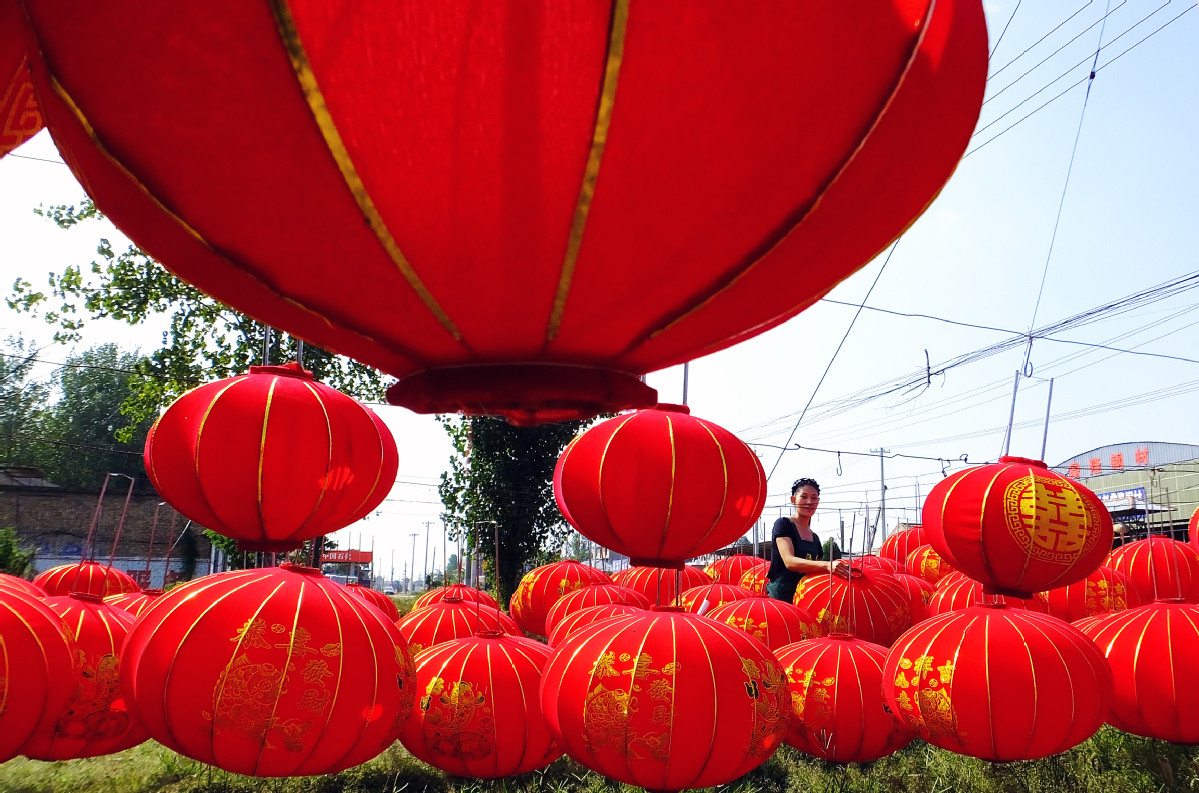
National Day Golden Week
Introduction
National Day Golden Week, a significant holiday period in China, is celebrated to mark the country's National Day on October 1st. It is one of two "Golden Week" holidays, with the other being the Spring Festival, which marks the Lunar New Year. The National Day Golden Week extends over a period of seven to eight days, offering a substantial break for Chinese citizens to travel, celebrate, and engage in various cultural activities. During this time, people are encouraged to explore different parts of the country, participate in cultural events, and enjoy leisure activities.
History
The concept of Golden Week was introduced by the Chinese government in the year 2000 as a strategy to boost domestic tourism and allow people more time to travel and spend with their families. Initially, three Golden Weeks were established: the Spring Festival Golden Week, the Labor Day Golden Week (in May), and the National Day Golden Week. However, in 2008, the Labor Day Golden Week was reduced to a single day public holiday, leaving the Spring Festival and National Day as the two remaining Golden Weeks. The introduction of these extended holidays was intended to stimulate economic growth through consumer spending and tourism.
Significance
National Day Golden Week holds substantial cultural and economic significance. Culturally, it is a time for Chinese citizens to celebrate their national pride and engage in traditional festivities. Large-scale events such as parades, fireworks displays, and cultural performances are organized in various cities. Economically, the holiday plays a crucial role in boosting the domestic economy. It promotes consumer spending, particularly in tourism, retail, and hospitality sectors. The Golden Week provides an opportunity for the Chinese to travel domestically and internationally, contributing to the economic growth of numerous industries.
Economic Impact
Tourism
Tourism during the National Day Golden Week sees a notable surge, with millions of Chinese travelers visiting various domestic and international destinations. Popular domestic locations include historical and cultural sites, scenic landscapes, and major cities like Beijing, Shanghai, and Chengdu. International travel is also significant, with countries such as Thailand, Japan, and the United States being favorite destinations for Chinese tourists. This increase in travel activity results in heightened demand for transportation, accommodation, and leisure activities, significantly impacting the tourism industry.
Retail and Consumer Spending
The retail sector experiences a considerable boost during the Golden Week, driven by increased consumer spending. Shopping malls, markets, and entertainment venues witness a spike in foot traffic as people indulge in shopping, dining, and leisure activities. Special promotions and discounts are often offered to attract consumers, further enhancing spending. The hospitality industry, including hotels and restaurants, also benefits from the influx of tourists, with many businesses experiencing higher occupancy rates and increased revenue.
Cultural Activities
Festivals and Events
Various cultural festivals and events are organized nationwide during the National Day Golden Week, showcasing China's rich cultural heritage. Cities like Yangzhou in Jiangsu province host events such as the Canal Culture Carnival, which includes a range of activities from food festivals to electronic sports fairs. Visitors can experience traditional performances, admire scenic views, and engage in cultural exchanges. These events not only entertain but also educate people about the historical and cultural significance of different regions.
Traditional Practices
Traditional practices and customs are an integral part of the Golden Week celebrations. Activities such as poetry parties, traditional music performances, and moon worship ceremonies are commonly held at scenic spots and cultural sites. These practices provide an opportunity for people to reconnect with their cultural roots and appreciate the diversity of China's cultural landscape. The celebration of traditional festivals, such as the Mid-Autumn Festival, which occasionally coincides with the National Day Golden Week, adds to the richness of the holiday experience.
Transportation and Travel
Transportation systems face significant demand during the National Day Golden Week as millions of people travel to various destinations. Railway stations, airports, and bus terminals experience high traffic volumes, necessitating efficient management to accommodate the surge. The availability of public transport services is often expanded, with additional trains and flights scheduled to meet the increased demand. Despite efforts to manage the crowds, travelers are advised to plan their trips early to avoid congestion and ensure a smooth travel experience.
Comparison with Other Holidays
The National Day Golden Week is distinct from other Chinese holidays, such as the Spring Festival. While both are extended holidays, the National Day Golden Week is more focused on travel and tourism, whereas the Spring Festival is traditionally reserved for family reunions and celebrations at home. The holiday patterns and activities associated with each event reflect the cultural and social priorities of the times they are celebrated. Understanding these differences provides insight into the diverse ways Chinese culture and traditions are expressed throughout the year. Photo Gallery(6 pictures)CategoriesTourismTagCity TourismRelatedGolden WeekCatalogue1. Introduction2. History3. Significance4. Economic Impact5. Cultural Activities6. Transportation and Travel7. Comparison with Other Holidays- - - []








